
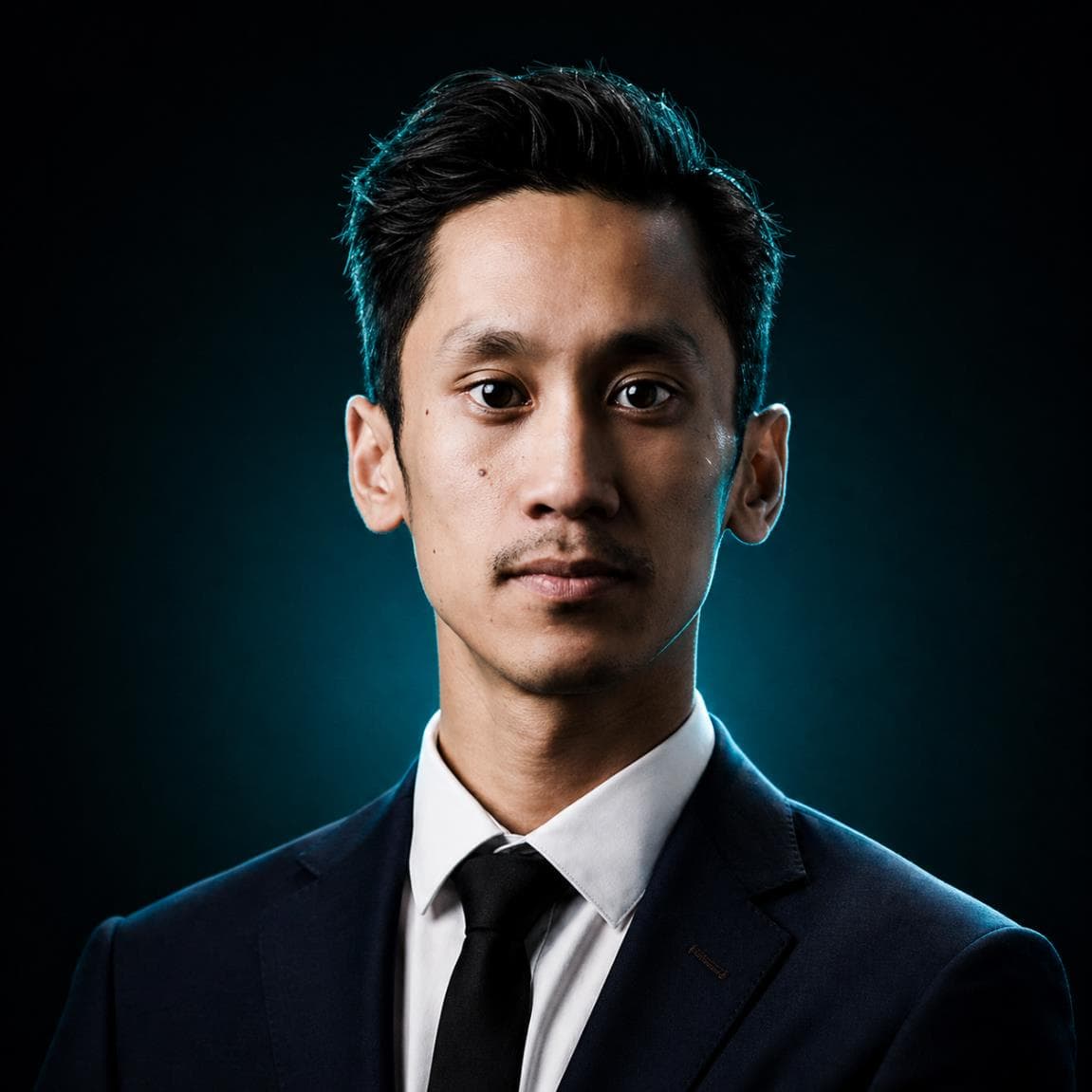
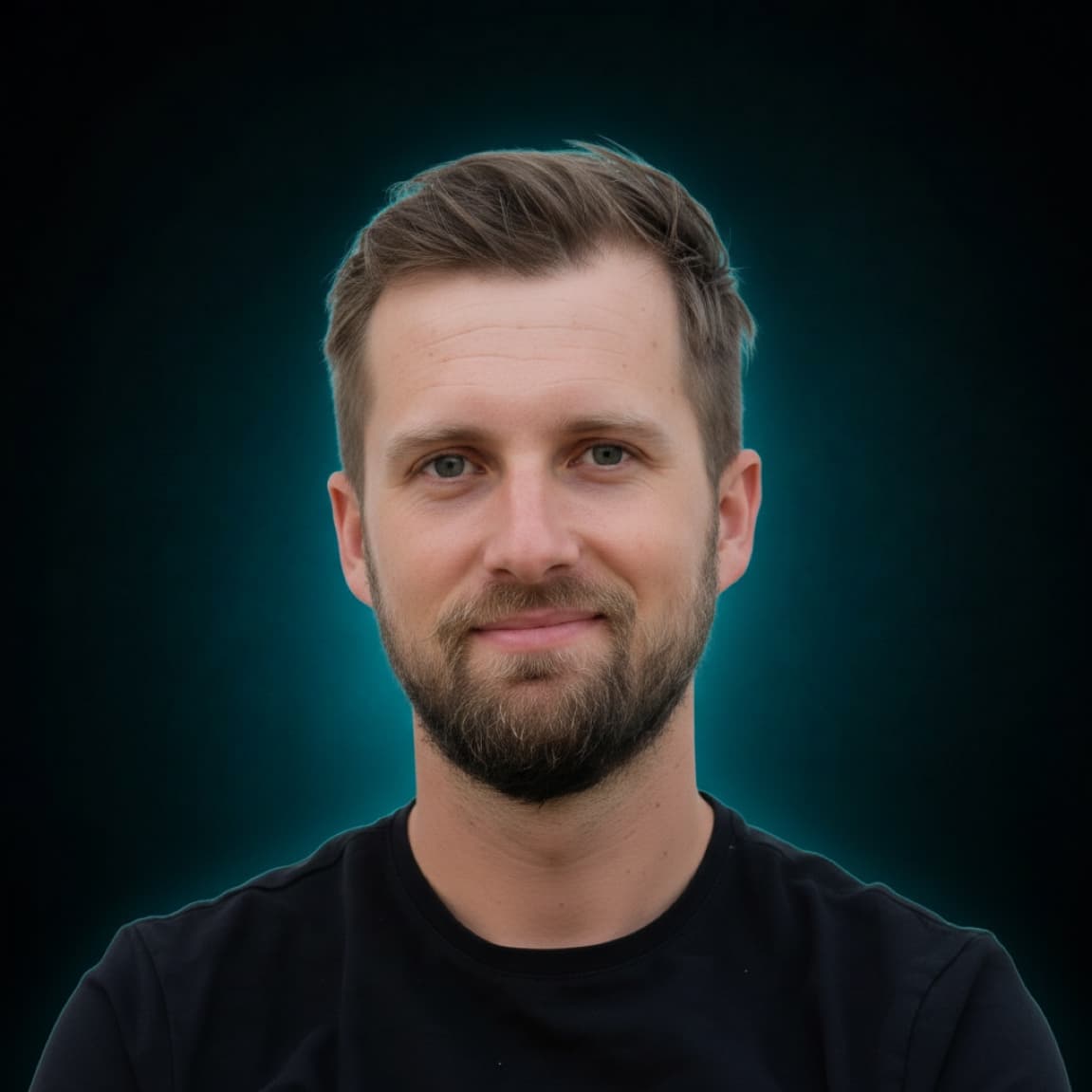
An Nguyễn
Communication as a clinical tool
09:15 — 11:45
What dentistry most often lacks: real communication. Practical ways to present a treatment plan to a patient, and how to handle demanding ones.
- Patient communication
- Digital treatment planning
- SmileCloud & 3DNA
- Practice brand and marketing
About An Nguyễn
An Nguyen graduated as a dentist from the University of Groningen in 2011 and opened his own dental practice in 2012. From the very start of his career he has focused on restorative dentistry, interdisciplinary treatment planning and digital workflows, back when digital smile design and cloud-based collaboration in dentistry were only beginning to appear.
During that early phase of digital dentistry he worked closely with pioneers such as Florin Cofar (Dentcof), learning directly from the clinicians and innovators who were shaping the future of digital treatment planning and interdisciplinary communication. That early exposure put him at the forefront of the digital transformation of modern restorative dentistry. In his day-to-day practice, restorative dentistry and digital planning are not trends but core systems for solving complex cases with more precision, more predictability and better communication.
Alongside his clinical work, An has become a sought-after international speaker in both the dental and the corporate world. Since 2014 he has delivered keynotes on communication, leadership, behavioural psychology, decision-making under pressure and the human side of high-performance environments.
Lecture abstract
Communication as a clinical tool
What dentistry most often lacks is not technique, but real communication. An presents communication as a clinical tool in its own right: the means by which trust is built, the patient is guided, and ultimately by which the outcome of a treatment plan is decided.
The block comes in two parts. The first lays the foundations: how trust is created, how to lead the conversation and how to present a treatment plan in plain terms. The second moves to advanced techniques and to working with demanding patients, where handling the situation under pressure is what counts.
Other speakers
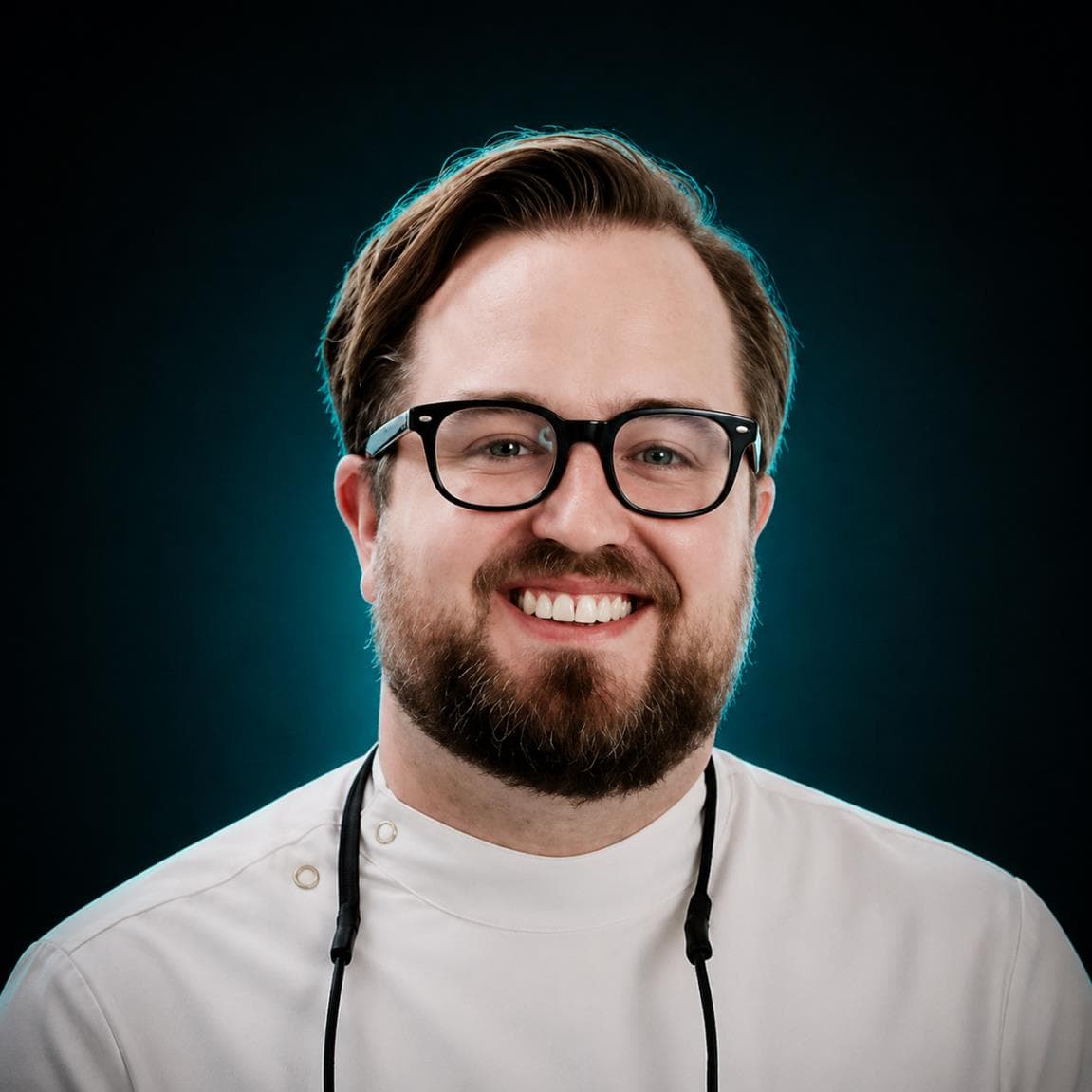 Main digital block
Jasper Thoolen
From Pixels to Prosthesis
14:30 — 18:00
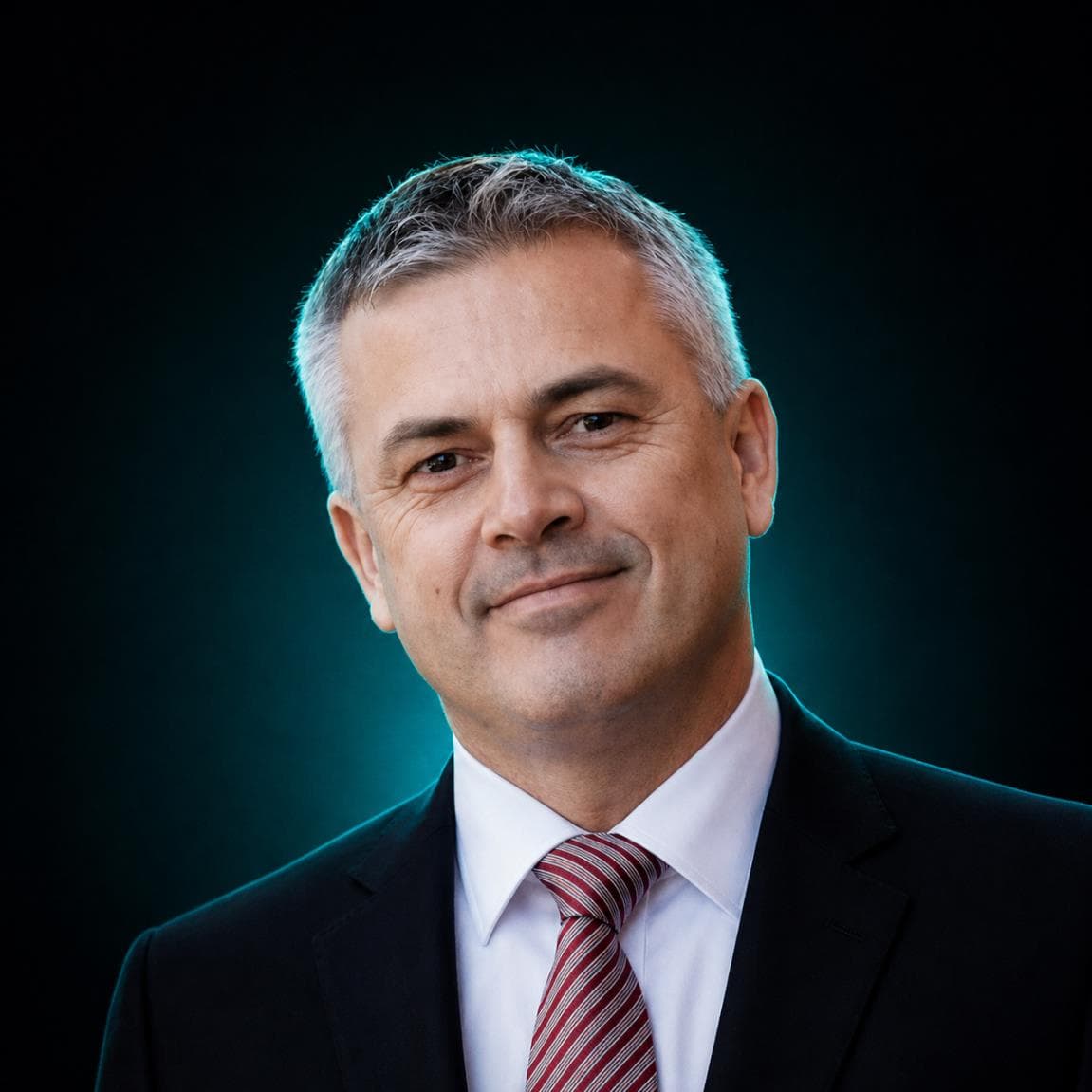 Business & leadership
Siniša Drobnjak
7.5 strategies for building a successful mindset in dentistry
11:45 — 12:30
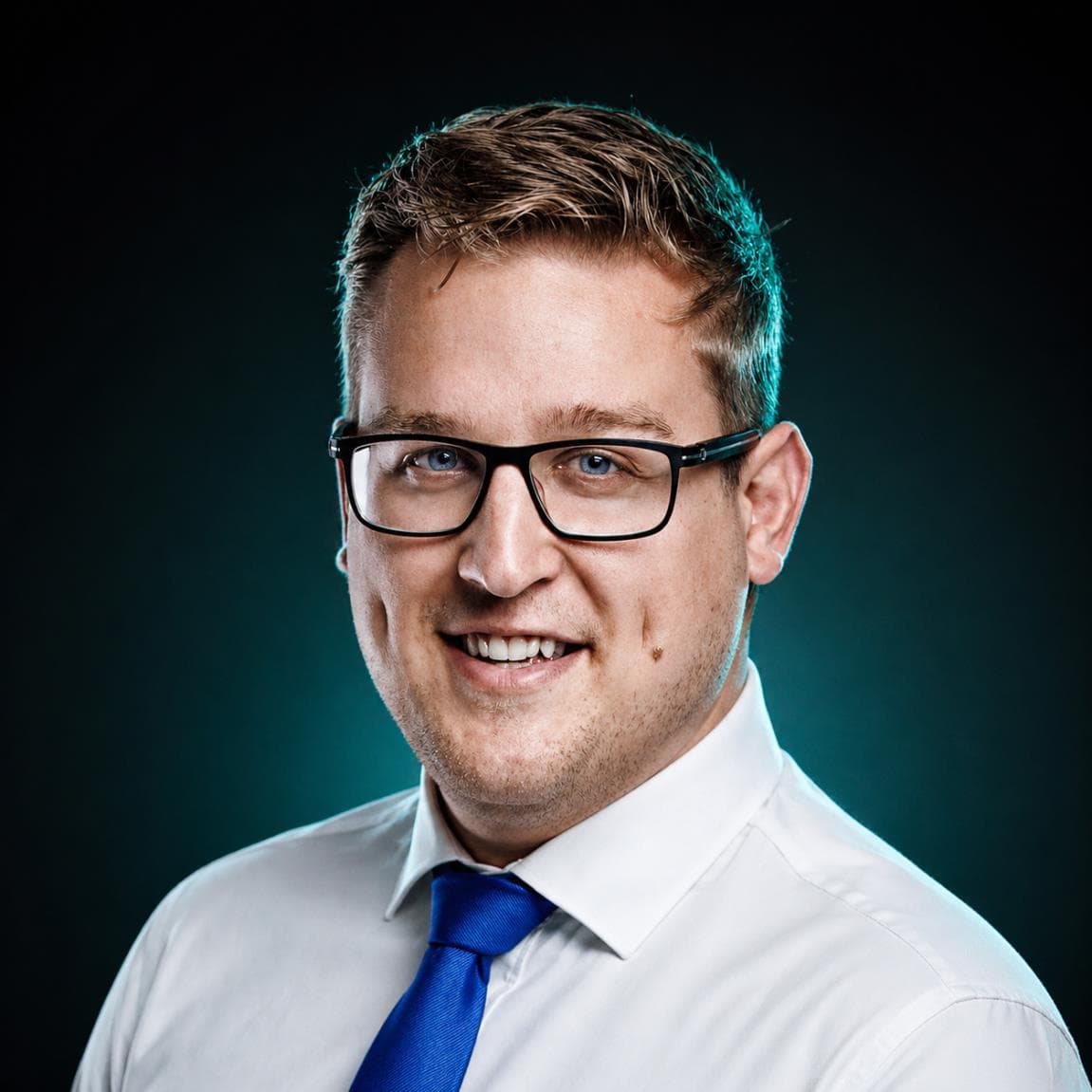 Founder & curator
Tomáš Machač
The vision of Future Dentistry
Opening 09:00 + closing block 18:00
 AI & marketing systems
Franta Stejskal
Practical AI for dentists
Closing block 18:00 — 18:30